

At Fazenda Bananal, we believe that sustainable development stems from strengthening community ties and respecting our land. That is why we serve as a catalyst for change in the Paraty region, participating in social projects that combine education, culture, and environmental conservation.
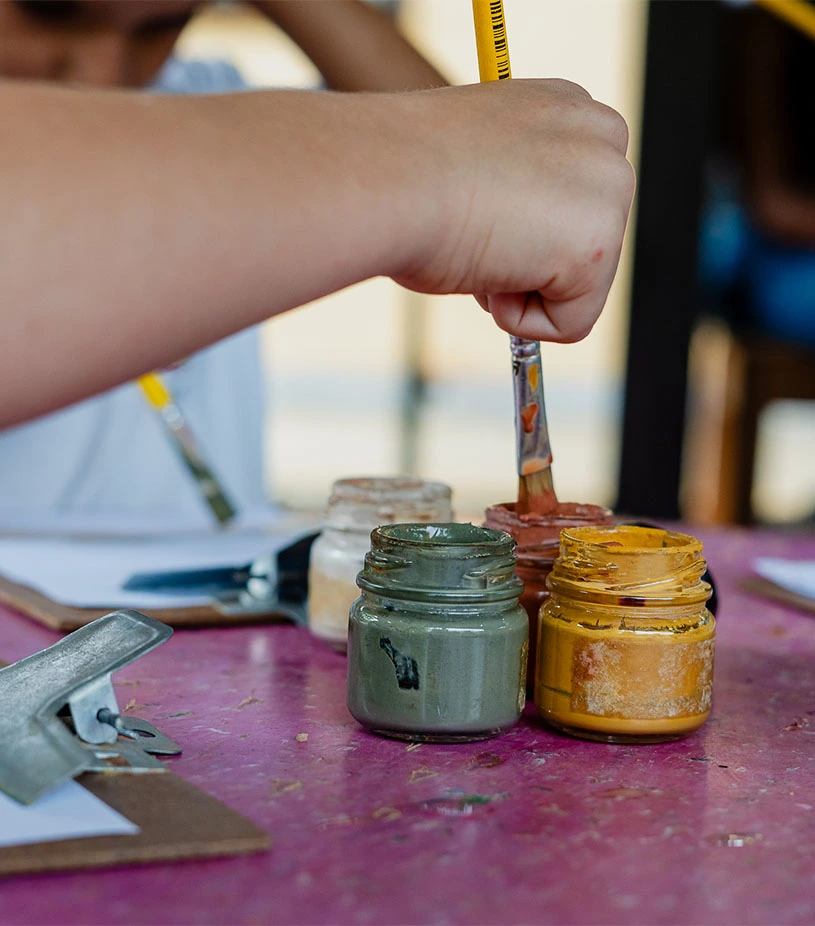
The "Nossas Raízes" project is aimed at public schools in Paraty and the surrounding region. Every week, we welcome children and educators for nature experiences—about 200 children per month.
Through outdoor educational activities, the project helps integrate the school curriculum with experiences that foster environmental stewardship and develop a sense of belonging and ecological responsibility.
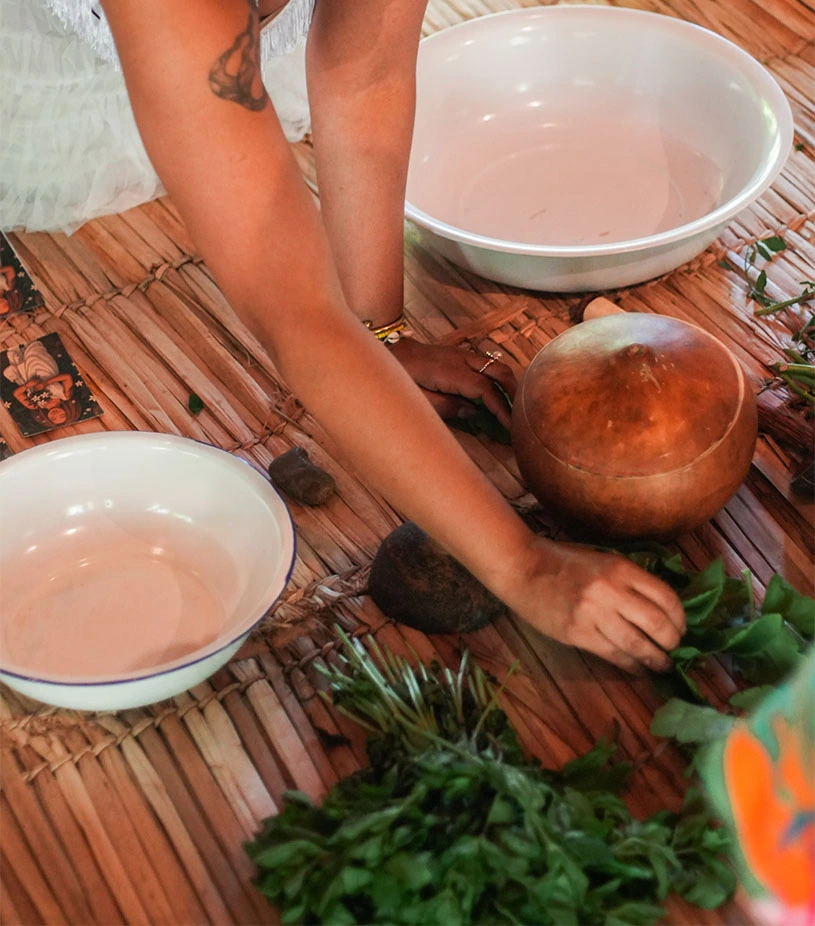
Led by local cultural masters and guardians, we invite our visitors to share knowledge and community experiences. Whether in a workshop to tell and listen to ancestral stories; to learn how to make sustainable glitter for Carnival; or to create Christmas decorations from materials found in the forest. These are educational gatherings, for all ages, that blend with the surroundings and highlight the importance of conservation and the lessons of the forest.
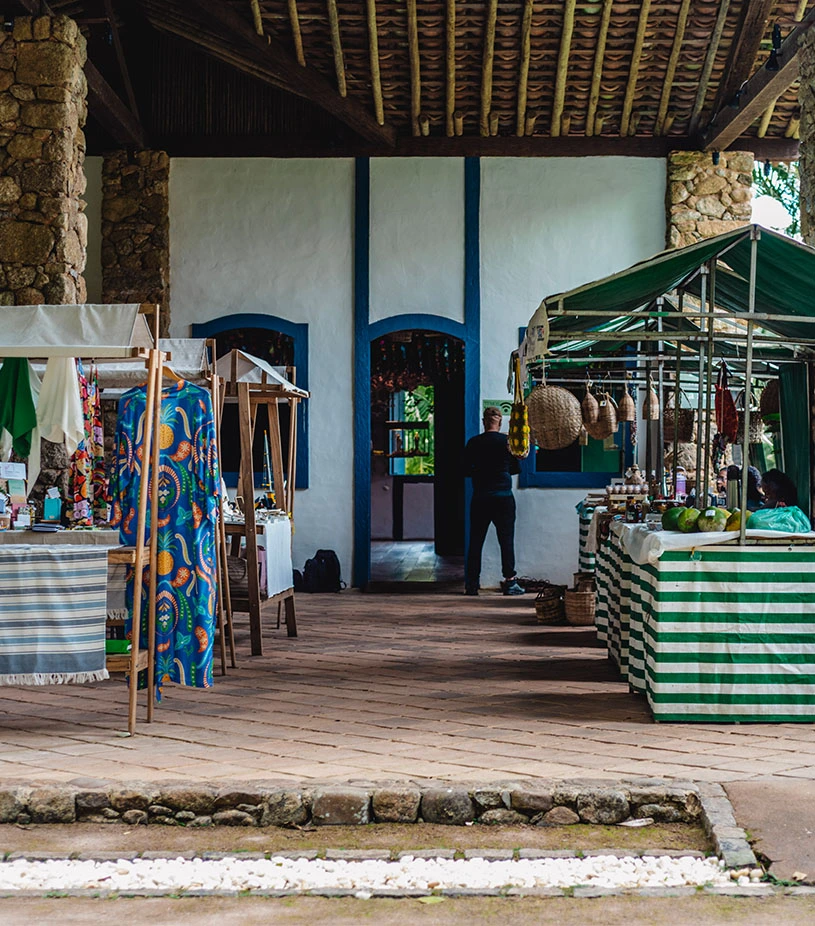
The fair aims to showcase the work of producers from Paraty and the surrounding region—key players in strengthening local family farming—as well as artisans who preserve traditional knowledge and customs. Held monthly from 9 a.m. to 5 p.m. with free admission; the fair also features artists who perform music and lead workshops on a variety of topics, including dance, painting, theater, and much more.
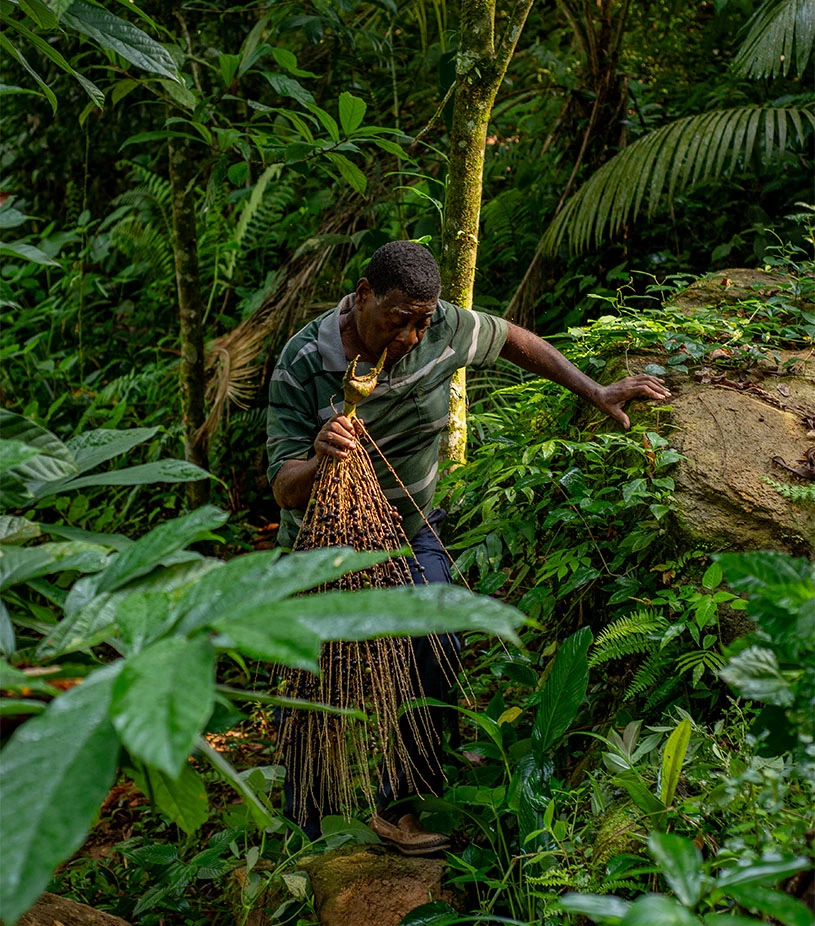
The initiative facilitates the exchange of knowledge among farmers to promote income generation, encourage sustainable production methods, and contribute to forest conservation.

